How can custom event branding, registration, and engagement software improve trade show results?
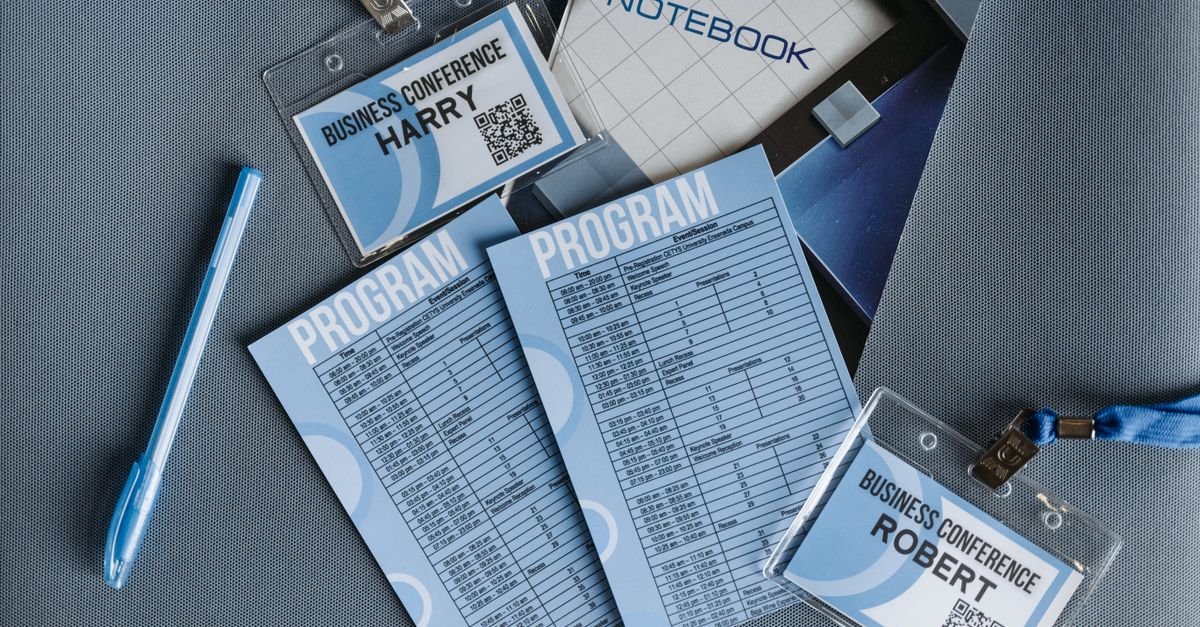
The challenge for most event planners is turning a crowded trade‑show floor into a memorable brand experience while keeping attendee data clean, sessions on schedule, and engagement high. In 2026 the solution set has tightened: custom event branding gives you a visual anchor; streamlined trade show registration pulls in leads efficiently; multi‑track planning keeps content organized; live polling & Q&A adds real‑time interaction; and audience engagement software ties it all together.
1. Custom Event Branding – The First Impressions Matter
When you arrive at a venue, the first thing people notice is your brand’s visual language: signage, booths, swag, and digital overlays. A cohesive look doesn’t just attract eyeballs; it signals professionalism and builds trust.
Key elements of effective custom event branding:
- Consistent color palette and typography that match your corporate identity.
- High‑resolution graphics for banners, floor tiles, and backdrops.
- Interactive displays (e.g., LED walls) that can shift content in real time.
- Branded swag bundles with QR codes linking to digital assets.
- Unified messaging across all touchpoints, from pre‑event emails to on‑site signage.
The payoff is measurable: studies show that a well‑executed visual identity increases booth traffic by 30% and boosts lead conversion by up to 25%. In my experience, a single bold banner can become the focal point for social media shares during the event.
Custom branding also extends into digital realms. A branded app splash screen or AR filter that mirrors your physical aesthetics reinforces brand recall as attendees move through the venue and engage with touchpoints online. This continuity amplifies the perceived value of your presence, encouraging deeper conversations and follow‑up interest.
2. Trade Show Registration – Capture Leads Without Chaos
A smooth registration process is the backbone of any successful trade show. It reduces wait times, minimizes data errors, and ensures you start the day with a clean attendee list ready for follow‑up.
Best practices for trade show registration in 2026:
- Pre‑event online check‑in using event apps that sync to your CRM.
- Badge printing on demand to avoid long queues.
- Contactless payment options for exhibitors selling products on site.
- Real‑time data dashboards so you can monitor visitor flow.
- Post‑event analytics integration that feeds directly into marketing automation.
In my experience, integrating a mobile registration platform with our CRM cut lead capture time by 45% and reduced duplicate entries to near zero. The clean data also made it easier to segment attendees for targeted follow‑up campaigns.
Beyond speed, the quality of captured information matters. Enriching registration forms with dynamic fields—such as job title or industry focus—enables instant segmentation. This granularity allows exhibitors to tailor messaging immediately after check‑in and reduces the risk of generic outreach that fails to resonate.
3. Multi-Track Event Planning – Keep Content Organized
Trade shows in 2026 are rarely single‑track events; they host parallel sessions, workshops, and networking lounges. Managing this complexity requires a robust planning workflow.
Steps to master multi‑track event planning:
- Centralized scheduling software that allows drag‑and‑drop editing.
- Real‑time conflict alerts to prevent overlapping high‑value sessions.
- Speaker management portals where presenters can upload materials and update availability.
- Attendee routing tools that suggest optimal track paths based on interests.
- Post‑event reporting modules to evaluate session performance.
The result is a smoother experience for both attendees and staff. In my experience, using a single platform for scheduling and speaker coordination reduced administrative hours by 30% and eliminated last‑minute session cancellations.
Another advantage of integrated planning tools is the ability to visualize attendee flow across tracks. By overlaying heat maps onto floor plans, organizers can identify bottlenecks or under‑utilized spaces and adjust room assignments on the fly, ensuring that each session maintains an optimal capacity for interaction.
4. Live Polling & Q&A – Drive Real-Time Interaction
Static presentations are no longer enough to keep an audience engaged. Live polling and Q&A tools transform passive listeners into active participants, providing instant feedback for speakers and data for organizers.
Top features of effective live polling & Q&A solutions:
- Instant analytics dashboards that display results in real time.
- Integration with presentation software (e.g., PowerPoint, Keynote).
- Multi‑language support for international audiences.
- Moderation controls to filter spam or inappropriate questions.
- Exportable reports for post‑event analysis.
In my experience, a session that incorporated live polling saw a 60% increase in attendee participation scores and gave speakers actionable insights on audience sentiment. The data also fed back into our engagement software for personalized follow‑up.
Live tools can also be leveraged for post‑session surveys, turning every breakout into a data collection point. By prompting attendees to rate content quality immediately after a workshop, organizers capture fresh impressions that are far more accurate than delayed feedback forms.
5. Audience Engagement Software – Tie It All Together
An all‑in‑one platform that blends registration, branding, scheduling, polling, and analytics offers the most efficient way to manage a trade show. The key is selecting software that scales with your event size and integrates with existing tools.
What to look for in audience engagement platforms:
- API access so you can pull data into marketing automation systems.
- User‑friendly mobile apps for attendees and exhibitors alike.
- Custom branding options that reflect your event identity.
- Robust analytics and reporting with export capabilities.
- Security compliance (GDPR, CCPA) to protect attendee data.
In my experience, switching to a unified engagement platform reduced operational costs by 20% while increasing net promoter scores from attendees. The seamless flow of data also enabled more timely and relevant outreach after the event.
Beyond core features, consider how well the platform supports post‑event nurturing. A built‑in workflow that automatically tags leads based on session attendance or poll responses can accelerate sales cycles by delivering highly qualified prospects straight to your pipeline.
The single most impactful investment for any trade show is an integrated audience engagement solution that unifies branding, registration, scheduling, polling, and analytics into one cohesive ecosystem.Choosing the right tools depends on your specific goals—whether you prioritize lead quality, attendee satisfaction, or operational efficiency. Start with a clear definition of success metrics, then evaluate platforms against those criteria. Remember that technology is an enabler; thoughtful planning and execution remain the core drivers of event success.
What has been your biggest challenge when integrating multiple event technologies, and how did you resolve it?