How Do Interactive Exhibitor Booths Compare to Traditional Trade Fair Setups in 2026?
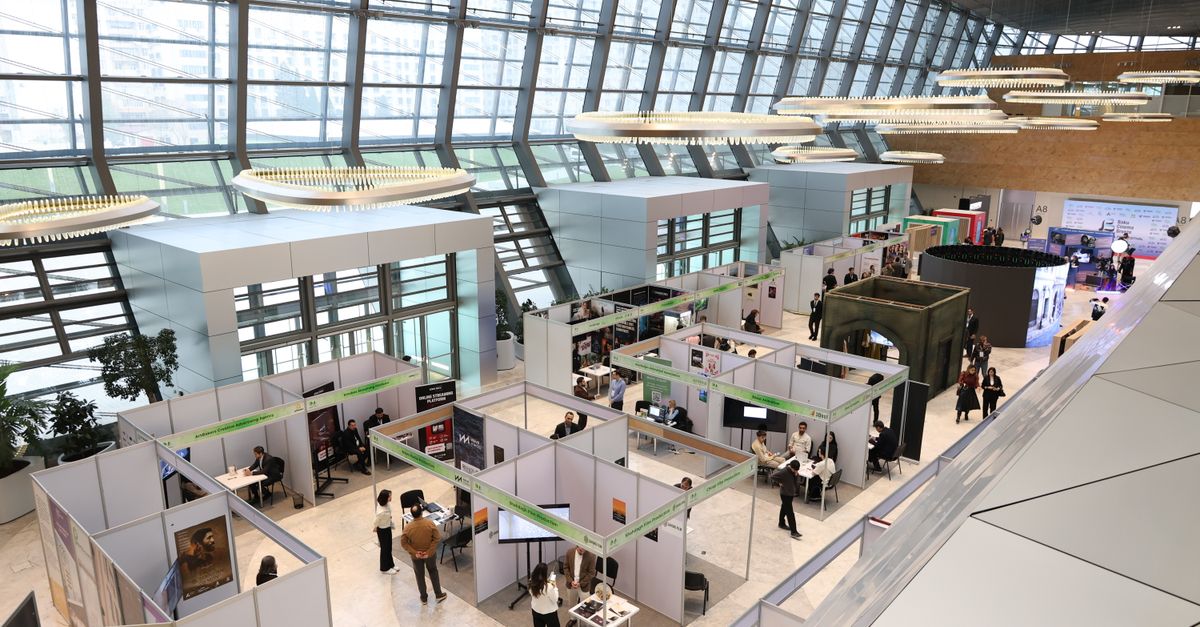
When a trade fair approaches, I weigh two options: the classic static display or the modern interactive booth that promises higher engagement. The choice depends on goals, budget, and event management style—whether through hands‑on trade fair management, hybrid software, or advanced convention center tech. Below I compare each option and offer practical guidance for selecting the right solution for a professional summit.
Interactive Exhibitor Booths: What Makes Them Different?
Traditional booths rely on printed materials, product samples, and sales reps to attract traffic. Interactive booths replace much of that static content with digital touchpoints—touchscreens, AR overlays, IoT sensors—that let visitors explore at their own pace. The result is richer data capture, deeper analytics, and often a stronger brand impression.
How the Technology Works
An interactive booth uses a modular system assembled on-site but operating like a pre‑configured kiosk. A central controller streams content to multiple displays while sensors track movement, gaze, and touch. When a visitor scans a QR code or taps an NFC tag, the device pulls personalized information from a cloud database. This flow allows exhibitors to respond in real time—changing language settings, offering downloadable PDFs, or triggering a virtual demo—all without human intervention.
Key Features That Set Them Apart
- Real‑time Data Collection: Capture visitor behavior instantly via QR codes or NFC tags and log dwell time on specific content.
- Customizable Content: Update visuals on the fly; scripts can be refreshed daily to reflect new releases.
- Immersive Experiences: Use AR to simulate product usage, enabling visitors to “try before they buy.”
- Scalable Deployment: Replicate a proven digital module across multiple sites with minimal effort—ideal for multi‑city shows.
- Seamless Lead Management: Directly feed captured data into CRM systems, eliminating manual entry and reducing follow‑up lag.
The trade‑off is higher upfront investment and the need for reliable power and network connectivity. However, when paired with hybrid event software that aggregates attendee data, interactive booths can become the backbone of a data‑driven marketing strategy.
Traditional Trade Fair Management: The Proven Path
Many exhibitors still choose the tried‑and‑true method because it’s predictable and requires less technical know‑how. Traditional management focuses on logistics—booth layout, staffing schedules, material printing, and venue compliance.
Typical Workflow for Conventional Booths
- Design & Printing: Create brochures, banners, and signage that align with brand guidelines.
- Logistics Coordination: Arrange shipping of materials to the venue, often through third‑party freight partners.
- On‑Site Setup: Build the booth structure during event preparation, ensuring compliance with safety codes.
- Staff Training: Ensure reps know product details and sales scripts so they can answer questions on demand.
This approach keeps costs lower if you already have a print budget but limits flexibility once the event starts. Data collection is manual—paper forms or post‑event surveys—which delays insights and reduces personalization in follow‑up communications.
Common Challenges and Mitigation
- Limited Real‑Time Feedback: Without digital touchpoints, gauging message resonance is difficult; mitigate with quick pulse surveys or manual feedback stations.
- Physical Stock Constraints: Printing many brochures can lead to waste if turnout falls short; staggered printing based on early ticket sales helps reduce overproduction.
- Staffing Bottlenecks: Heavy reliance on live reps risks burnout during peak hours; rotating shifts and backup volunteers help maintain coverage.
Hybrid Event Software: Bridging Physical and Digital Worlds
Hybrid software sits between the extremes, offering tools for virtual attendee engagement while supporting physical booth operations. The platform typically includes session scheduling, networking features, lead capture, and analytics dashboards.
Core Components of a Hybrid Platform
- Live Streaming & Replay: Offer on-demand content so remote participants can access key sessions after the event.
- Virtual Booths: Provide digital spaces where visitors can download assets or chat with reps in real time.
- Lead Management Integration: Sync captured leads directly into CRM systems for instant follow‑up.
- Analytics & Reporting: Generate dashboards for booth traffic, session attendance, and engagement metrics across physical and virtual touchpoints.
- Push Notifications & Personalization: Deliver tailored messages based on interests or prior interactions.
The biggest advantage is unifying data streams from both on‑ground booths and virtual attendees. That allows measuring ROI across all touchpoints in one place, invaluable when presenting results to stakeholders or refining future strategies.
Cost Considerations
Hybrid platforms often have tiered pricing: a basic package for small events and an enterprise suite that includes advanced analytics, custom branding, and dedicated support. While the upfront cost can exceed a simple print run, the potential return—measured through higher lead quality and post‑event engagement—often justifies the investment.
Convention Center Technology: The Infrastructure Backbone
A successful event depends on reliable infrastructure—power, Wi‑Fi, and AV systems. Modern convention centers invest in high‑speed fiber networks, redundant power supplies, and advanced AV suites that support interactive booths and hybrid streaming simultaneously.
Essential Tech Checks Before the Event
- Bandwidth Capacity: Verify minimum upload/download speeds for live video and booth interactions; a 1 Gbps uplink is often recommended for high‑definition streams.
- Power Availability: Confirm dedicated outlets and backup generators for critical equipment, especially if the venue has a history of power interruptions.
- AV Compatibility: Ensure screens, microphones, and speakers meet specifications of your digital platforms; test speaker quality with live audio feeds to avoid echo or latency.
- Technical Support: Arrange on‑site IT staff to handle outages; a rapid response team can resolve connectivity issues within minutes.
I always schedule a site visit at least two weeks before the event. That gives time to test connectivity and troubleshoot hardware issues that could compromise booth performance or virtual sessions.
Professional Summit Solutions: Tailoring the Experience
Professional summits demand a curated experience where attendees leave with tangible knowledge, networking opportunities, and actionable insights. The choice of booth technology should align with summit objectives—whether showcasing new research, launching products, or facilitating industry dialogues.
Strategic Considerations for Summits
- Audience Profile: Match interactivity to attendee sophistication; a specialized conference may benefit from advanced AR demos, while a broader trade show might focus on intuitive touchscreens.
- Content Delivery: Use hybrid software to host panel discussions alongside live demos, ensuring remote participants can interact via Q&A widgets.
- Post‑Event Engagement: Leverage data capture for follow‑up content and personalized offers; automated drip campaigns nurture leads based on booth interaction history.
- Brand Cohesion: Ensure booth design reflects summit branding across physical and digital realms, creating a unified visual experience.
Decision Matrix for Choosing Your Approach
| Criterion | Interactive Booths (Hybrid) | Traditional Setup |
|---|---|---|
| Initial Investment | Higher due to hardware and software costs | Lower, primarily printing and staffing |
| Data Capture Accuracy | High—real‑time analytics and CRM integration | Low—manual forms and post‑event surveys |
| Scalability Across Venues | Excellent—modules can be replicated quickly | Limited—requires new printing for each event |
| Technical Support Needs | Requires IT staff on-site and stable connectivity | Minimal—standard booth setup |
| Audience Engagement Level | Very high—interactive experiences encourage exploration | Moderate—depends on rep interaction |
| Brand Impact | Strong—immersive storytelling and consistent digital branding | Consistent but less dynamic |
This matrix helps weigh trade‑offs and align your choice with budget, audience expectations, and strategic goals.
The central takeaway: if deep engagement and actionable analytics are priorities, interactive booths coupled with hybrid software offer the most scalable solution; for cost‑conscious events where logistics dominate, traditional management remains a solid choice.What Comes Next?
After selecting a strategy, plan in detail: source hardware vendors, coordinate with venue IT teams, train staff on digital tools, and set up analytics dashboards. A well‑executed launch—whether a high‑tech interactive hub or a polished traditional booth—sets the tone for an event that delivers measurable value.
What factors do you consider most critical when deciding between an interactive exhibitor booth and a traditional setup for your next trade fair?