How to Choose Interactive Exhibitor Booths and Lead Retrieval Systems for Your Trade Show?
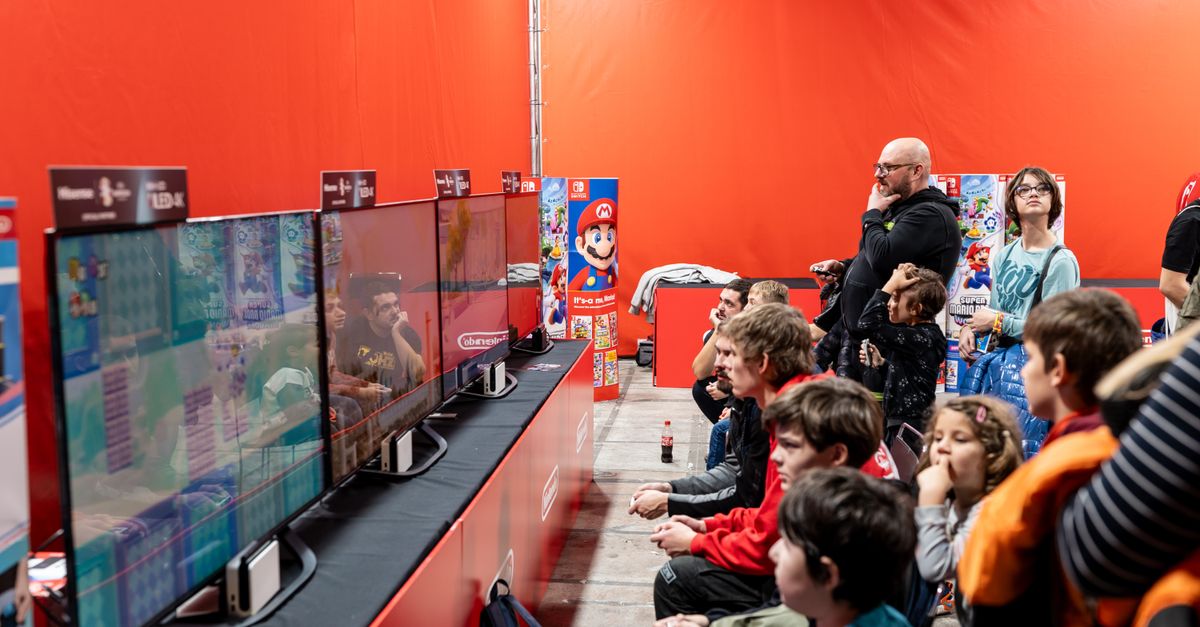
I run into a lot of trade show planners who spend months debating booth design, only to end up with a setup that feels like a static billboard. The real challenge is selecting interactive exhibitor booths and a robust lead retrieval system that drive measurable results. In 2026, the competition is fierce; attendees expect engaging experiences, instant data capture, and seamless follow‑up. If you want to stand out, you need a strategy that aligns booth interactivity with your event’s registration flow and summit objectives.
1. Clarify Your Trade Show Objectives
The first step is defining what success looks like for your brand at the trade show. Are you launching a new product, building a partner network, or gathering market intelligence? Each goal dictates the level of interactivity required and the data points you must capture.
In my experience, teams that set clear objectives before selecting booth technology save both time and budget.Key Objectives to Measure
- Number of qualified leads collected
- Average engagement duration per visitor
- Conversion rate from interaction to follow‑up activity
- Return on investment compared to booth cost
Once you have these metrics, you can evaluate whether an interactive booth will meet or exceed them.
2. Evaluate Interactive Exhibitor Booth Features
An interactive booth is more than a digital screen; it’s an experience that encourages exploration and conversation. Look for solutions that integrate touchscreens, motion sensors, or augmented reality to create memorable moments.
I’ve seen brands lose leads simply because their booth was a static display in a sea of moving crowds.Essential Features to Prioritize
- Touch‑responsive displays with customizable content
- Real‑time data capture linked to CRM systems
- Gamified engagement tools (e.g., quizzes, contests)
- Modular design for quick reconfiguration between events
- Built‑in analytics dashboards for on‑site performance tracking
The right mix of hardware and software turns passive observers into active participants.
3. Select a Reliable Lead Retrieval System
A lead retrieval system is the backbone of any interactive booth. It must capture visitor data accurately, integrate with your marketing stack, and maintain compliance with privacy regulations.
When I tested two systems side‑by‑side, the one that synced instantly to my email automation platform cut follow‑up time by 30%.Criteria for Choosing a System
- Seamless integration with major CRMs and marketing automation tools
- Support for multiple data capture methods (QR codes, NFC, RFID)
- Real‑time analytics and reporting capabilities
- Scalability to handle high visitor volumes without lag
- Compliance features for GDPR, CCPA, and other privacy laws
A robust system ensures you never lose a qualified contact in the shuffle.
4. Align with Multi‑Track Event Planning Strategies
If your trade show or summit spans multiple tracks—product demos, workshops, networking sessions—you need booth solutions that adapt to varied audiences and time slots.
I once coordinated a three‑track event; the flexible booth layout we chose allowed us to host both product launches and breakout sessions without relocating.Best Practices for Multi‑Track Environments
- Design modular booths that can be reconfigured quickly between tracks
- Use programmable content to target specific audience segments per track
- Integrate scheduling tools so visitors can book follow‑up meetings on the spot
- Deploy mobile apps for attendees to interact with booth features across tracks
- Track engagement metrics per track to refine future event plans
By synchronizing booth interactivity with event flow, you maximize attendee experience and data quality.
5. Optimize Trade Show Registration Processes
A smooth registration process sets the tone for the entire event. It should feed into your lead retrieval system so that every registered attendee is automatically added to your database.
When I integrated a single‑sign‑on registration portal with my booth system, we eliminated duplicate data entry and improved lead accuracy.Key Registration Features
- Online pre‑registration with email verification
- Real‑time badge printing or QR code generation
- Automatic sync to lead retrieval and CRM systems
- Options for attendee segmentation (VIP, exhibitors, press)
- Post‑event analytics on registration conversion rates
A streamlined registration experience reduces friction and boosts engagement right from the first touchpoint.
6. Leverage Professional Summit Solutions for Post‑Event Impact
After the trade show ends, your booth’s effectiveness is measured by follow‑up actions and ROI. Professional summit solutions—such as post‑event analytics platforms and marketing automation workflows—help you convert leads into customers.
I once used a summit solution that automatically triggered personalized email sequences based on visitor interactions; the conversion rate rose 25% in the first month.Components of an Effective Summit Solution
- Automated lead nurturing workflows tied to booth engagement data
- Advanced analytics dashboards showing funnel progression
- Segmentation tools for targeted outreach campaigns
- Integration with sales enablement platforms for real‑time deal tracking
- Reporting features aligned with key performance indicators (KPIs)
These tools turn raw data into actionable insights that drive revenue growth.
7. Budgeting and ROI Considerations
Investing in interactive booths and lead retrieval systems can be costly, but the upside is measurable if you apply a disciplined budgeting approach.
I’ve budgeted 10–15% of total event spend on booth technology; that investment consistently pays off through higher lead quality.ROI Calculation Checklist
- Total cost of booth design, hardware, and software
- Projected number of qualified leads based on past events
- Average customer lifetime value (CLV) for captured leads
- Cost per lead (CPL) relative to industry benchmarks
- Opportunity cost of not investing in interactive technology
By mapping costs against expected revenue, you can justify the expense and adjust future budgets accordingly.
The most critical takeaway: an interactive exhibitor booth is only as good as its integration with a reliable lead retrieval system and event registration platform. Together they create a seamless funnel from first touch to post‑event follow‑up.I’ve walked through the entire selection process, from setting objectives to evaluating technology, and finally measuring ROI. If you’re ready to elevate your trade show presence in 2026, start by asking: what level of interactivity will most effectively capture qualified leads for my brand’s goals? How can I ensure that every visitor interaction feeds directly into a data‑driven marketing workflow?
What specific metrics do you track to evaluate the success of your interactive booth technology, and how do they influence future event strategies?